Choosing the right four-season tent is an essential camping gear investment. These shelters are designed to hold up against the toughest problems, from snow-covered hill tops to violent storms on a seashore.
An essential metric that figures out a tent's livability is ventilation. Moisture and stationary air lead to unpleasant smells, warmth loss, and moisture accumulation.
Dampness Buildup
Moisture accumulation inside an outdoor tents is dangerous to your health and wellness and convenience, yet it's also a problem since damp insulation does not work as well. So we wish to prevent it as high as possible.
Moisture can develop as temperature levels decline and the air approaches the dew point-- the temperature level at which water vapor in the ambience starts to condense. This happens on any type of surface area-- yard, moss, leaves, the ground and your equipment, and, of course, your tent's inner wall surfaces.
The most effective means to decrease the potential for condensation is to camp on higher points in the landscape. Air has a tendency to swimming pool in reduced locations, and given that heat rises, camping higher up will help keep the difference between within and outdoors temperature levels as reduced as feasible (this was a large subject of last evening's tent/campsite webinar). Additionally, attempt to avoid camp sites right at the edge of a babbling brook or other water source-- the better you are to moisture, the a lot more moisture you'll have in your camping tent.
Winter
The wintery setting places an entire brand-new spin on outdoor camping, and insulation and air flow are essential to your convenience. The cold can be especially brutal when your tent isn't correctly insulated and vented.
3-season tents can deal with light winds, general rain and some snow however have a tendency to be as well stuffy in warmer conditions. 4-season camping tents are designed to deal with high winds and severe weather condition, so they have a much higher peak height to supply space for standing and they are generally tougher in building and construction with much less mesh and even more insulation making them cozy however likewise bulky.
They also typically feature bigger vestibule locations to fit the additional equipment that mountaineers bring with them-- large rucksacks, ski boots, crampons and puffy coats. The majority of utilize a double wall construction with the body of the outdoor tents being covered by a water-proof rainfly and the internal camping tent being covered by an air-permeable fabric like The North Face Attack 2 Futurelight or more robust silicone-coated products like those made use of in the Hilleberg Nammatj 2 and Jannu designs.
Heat Loss
The main feature of a four-season camping tent is to offer protection from the components and trap your body heat. While a top quality resting bag and a protected pad are still what keeps you cozy, your camping tent can add up to 10oF of regarded heat by blocking wind that steals temperature and enabling your body heat to flow within.
The size of a tent issues, as well. Small outdoors tents are normally warmer than larger ones since they include less quantity that your body has to warm. Bigger outdoors tents are chillier because they consist of much more dead air room that your body has to warmth with a heating unit or your own temperature.
Search for a tent that has an excellent mix of mesh panels and adjustable openings that can be open up to different degrees to fit the weather conditions. Additionally, ask exactly how the ventilation system is constructed to avoid condensation build-up: does it produce a chimney impact? Is it free of bolts that can act as thermal bridges, creating wetness to condense in the edges and under your mattress?
Condensation
Dampness can build up in the outdoor tents walls and rainfly, saturating the textile and creating a wet, harmful setting. The problem can be small when just a light movie of moisture forms, yet it can also come to be a major trouble as your sleeping bag obtains soaked and you lose heat.
The vital to handling condensation is ventilation and website selection. A warm outdoor tents that isn't promotional bag correctly aerated allows wetness to wick up the walls and into the ceiling, and cold-weather conditions raise the probability of condensation because air is cooler and less damp.
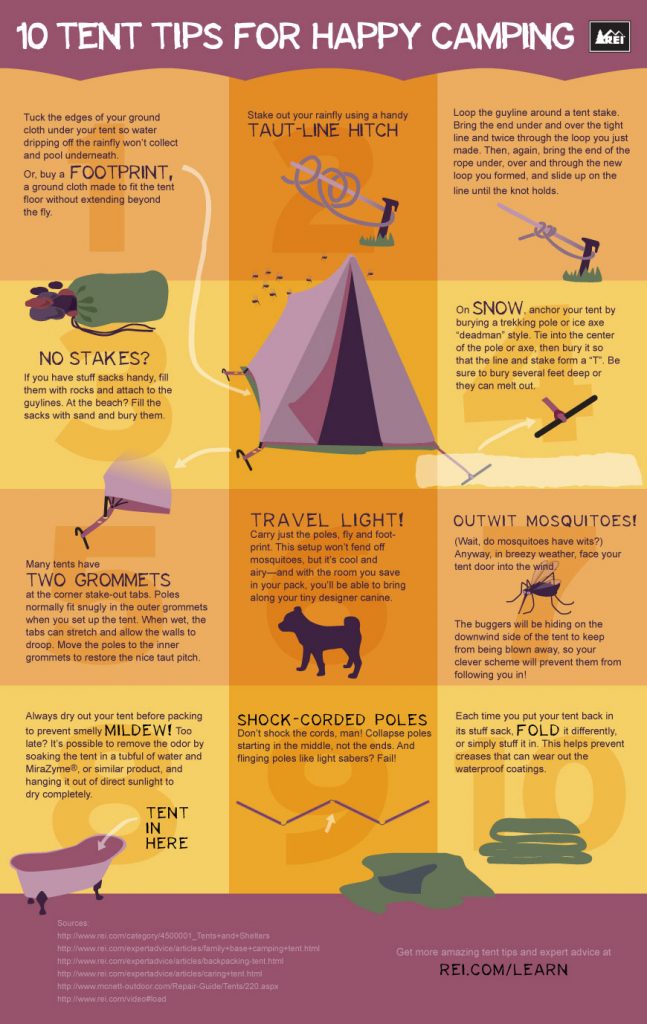
Air flow techniques consist of unzipping doors and windows to promote air movement and orienting the tent so winds can blow through the doors. Appropriate website selection is likewise crucial: Prevent wet, low-lying areas and camp under trees to produce a warmer microclimate that will certainly reduce condensation. Utilizing linings in sleeping bags and a great outdoor tents skirt that lifts the sides will likewise boost ventilation.